




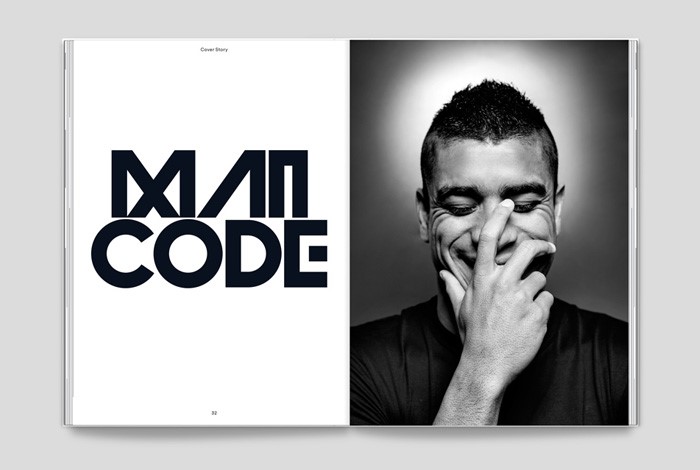





Léo Matos exclusively on Toumba Magazine
He grew up under difficult circumstances. He learnt judo in order to be handed an opportunity at football. He escaped from the favelas and followed his dreams that brought him to Toumba Stadium. Toumba Magazine brings you the real Léo Matos.
The Brazilian defender speaks to PAOK official magazine about his childhood years, his theory about football, the pressure and the fans’ expectations. He also analyzes his career decisions and explains why his country produces so many excellent full-backs.
You can get issue 7 of Toumba Magazine at PAOK FC Official Stores, combine it with your holiday shopping and benefit from the 10€ bonus to buy the classic stripped kit of PAOK.
Here is an excerpt of Léo Matos’s interview:
On pressure at PAOK:
“The only club where I encountered a similar situation was at Flamengo. They live constantly under pressure, not just at games, but at trainings as well. When they win, they are in heaven, when they lose, all hell breaks loose, whereas the Press maintains this pulse of extreme emotions. But let me admit that I like this pressure, I like playing under it, because it brings out the best in me. I experience that at PAOK as well. The rest of the guys had told me when I first joined PAOK that the fans are… crazy. That they support us with all their heart, but when we lose we find ourselves at the dark side of the moon. When we win, we become good again. I like that, because I am used to it. I grew up like this”.
“I realize, as do most of the players, that many employees of PAOK depend on us. There are also the fans, who return home disappointed when we lose. Therefore football is not just the 90 minutes of the game. On the other hand though, gambling an entire season’s serenity in one match doesn’t help us or our fans. We want the pressure, because it keeps us on our toes, but without the risk of hurting the team”.
On his childhood years spent between football and the favelas:
“You get to experience very sad situations. You see things a child isn’t supposed to see. People getting killed in front of you, robbers, attacks, drugs… The bus ticket to go to trainings cost 15 euros –very expensive for a family with no means to support a child’s dream to become a footballer. Flamengo went on to build a new training centre near Rocinha, the most notorious favela in Rio de Janeiro, populated by almost 5 million people. You would sleep and hear gunshots throughout the night and police were constantly on call there.
That was my everyday routine until the age of 14. I then found a friend who provided me with a deaf-mute person’s pass to take the bus without having to pay. “If the controller comes and asks you something, don’t answer back. You are a deaf-mute. Show him your car”, he told me. That is how I left the club’s dorms and returned home”.